
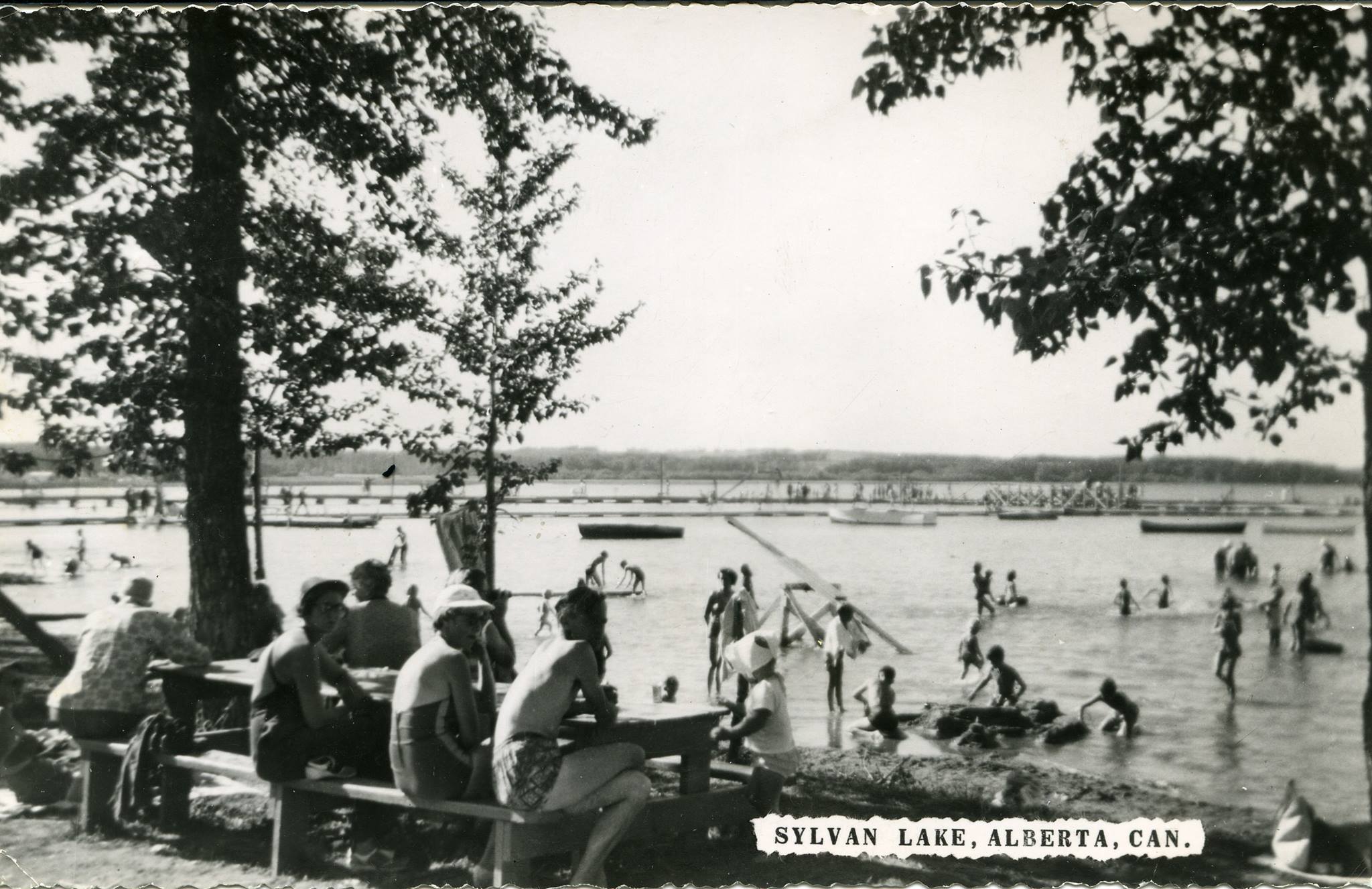
A Lakeside Legacy
Sylvan Lake has been a beloved destination since the early 1900s, attracting settlers and visitors to its spring-fed waters. From rustic cabins to family homesteads, generations have been drawn to this scenic Alberta gem.
In 1913, Sylvan Lake was incorporated as a village. By 1946, a population boom to 900 residents earned it “town” status. While the community has grown beyond its early days of dance halls and homesteads, its roots remain preserved thanks to the Sylvan Lake & District Archives Society.
Preserving Stories for Future Generations
The Archives Society is dedicated to collecting, preserving, and sharing records that tell Sylvan Lake’s story. Some documents date back to the arrival of settlers in the early 1900s. For over 35 years, this volunteer-driven organization has safeguarded photographs, documents, and donated media.
“We’re a valuable resource for anyone looking to learn about their family or the cabin they visited every summer,” says archives office manager Christina Lust. “We’ve been involved in projects like the historical information pillars along the lakefront.”
What You’ll Find
- Over 7,600 records and 12,000 images dating back to the 1900s
- Climate-controlled preservation of hard-copy files
- Online access to historical photos at archives.sylvanlake.ca
(High-resolution images available upon request)
The archives also play a role in community projects, such as recommending street names for new subdivisions based on notable local contributors and supporting events like 1913 Days, celebrating Sylvan Lake’s incorporation.
Step Back in Time
Imagine generations of beachgoers strolling the waterfront—from swim dresses to bikinis—while Sylvan Lake evolved as a recreational destination. At one point, the town boasted three dance halls at the end of Main Street!
Historic landmarks still remain, like the Stone House, built in 1913—the same year Sylvan Lake was founded. Today, it’s home to White Frog Café, where you can enjoy fresh-roasted coffee in a piece of living history.
“There’s so much to Sylvan Lake. Right from the beginning, it was a recreational destination,” Lust says. “People have always gravitated here—and that hasn’t stopped.”
Visit the Archives
The Sylvan Lake & District Archives is located in the Municipal Government Building and is open Tuesdays and Thursdays from noon to 4 p.m.
Learn more or explore the online archive at archives.sylvanlake.ca.